Ideal Weight Calculator: Set a Realistic Goal & Track Real Progress
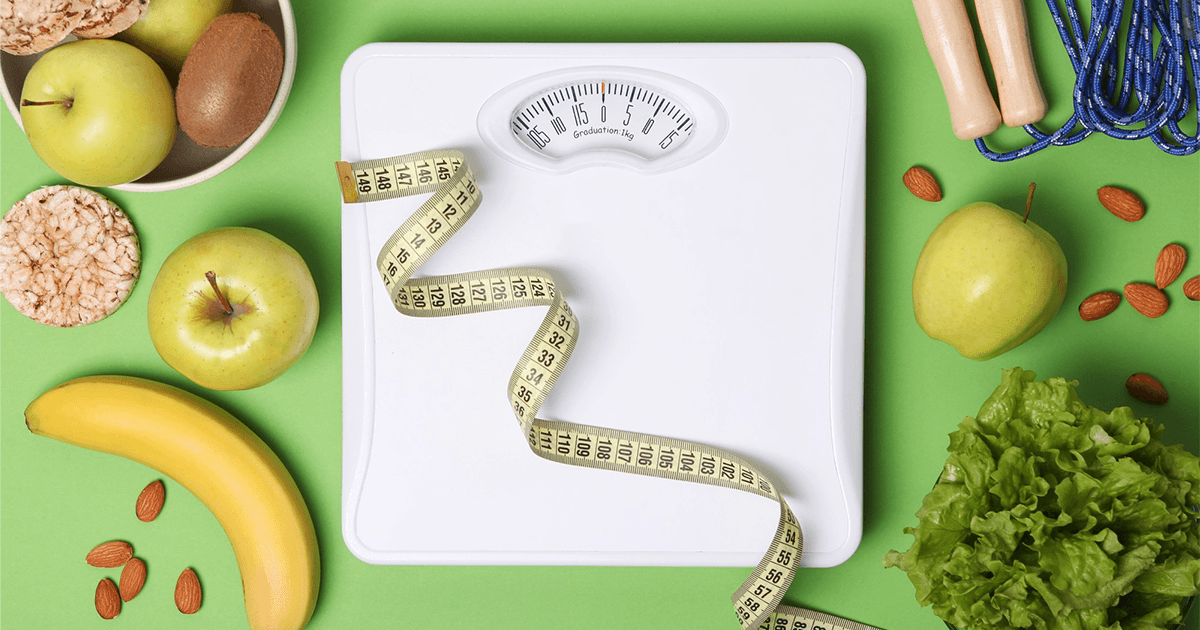
You probably have a number in your head. A weight that feels right. That you saw in old photos. That your doctor mentioned. But is it actually realistic for your height and body type?
The problem is, different formulas give different answers. A simple BMI calculation says one thing. Your friend's weight says another. Your childhood weight says something else entirely.
Short version: Your ideal weight depends on your height, gender, and body composition. Use a calculator to see what doctors recommend, then adjust based on how you feel.
What is your ideal weight?
Ideal weight is the weight range where your body functions best, disease risk is lowest, and you feel energetic. It is not about looking a certain way. It is about being healthy.
The catch? Ideal weight is different for everyone. A woman who is 5'6" might be healthy at 118 to 159 lbs. But another woman who is 5'6" with more muscle might be healthy at 140 to 165 lbs.
- Ideal weight depends on your height, gender, and age
- Multiple formulas exist because no single formula works for everyone
- Your ideal weight might be different from someone the same height
- Muscle weighs more than fat, so athletes may weigh more
- Your ideal weight is a range, not a single number
Pro Tip: Do not get stuck on one number. Instead, aim for a healthy weight range. Even reaching the lower end of your ideal range is a major win.
The 4 formulas we compare
1. Devine Formula (Most common)
This is what most doctors use. For men: 50 kg + 2.3 kg per inch over 5'0". For women: 45.5 kg + 2.3 kg per inch over 5'0". It gives a single target weight, not a range.
2. Robinson Formula
Similar to Devine but slightly adjusted. For men: 52 kg + 1.9 kg per inch over 5'0". For women: 49 kg + 1.7 kg per inch over 5'0". Often gives slightly lower targets than Devine.
3. Miller Formula
Another variation that gives a middle-ground estimate. For men: 56.2 kg + 1.41 kg per inch over 5'0". For women: 53.1 kg + 1.36 kg per inch over 5'0".
4. Hamwi Formula
The oldest formula, developed in the 1960s. Still used but tends to give higher estimates. For men: 48.1 kg + 1.07 kg per inch over 5'0". For women: 45.4 kg + 0.9 kg per inch over 5'0".
Pro Tip: Our calculator shows all four formulas so you can see the range. Your ideal weight likely falls somewhere in the middle of these estimates.
Ideal weight by height (quick reference)
For Women
| Height | Devine Formula | Range (Low to High) | Realistic Goal |
|---|---|---|---|
| 5'2" | 110 lbs | 104 to 117 lbs | 100 to 120 lbs |
| 5'4" | 115 lbs | 109 to 123 lbs | 105 to 130 lbs |
| 5'6" | 120 lbs | 113 to 129 lbs | 110 to 140 lbs |
| 5'8" | 125 lbs | 118 to 135 lbs | 115 to 150 lbs |
| 5'10" | 131 lbs | 123 to 141 lbs | 120 to 160 lbs |
For Men
| Height | Devine Formula | Range (Low to High) | Realistic Goal |
|---|---|---|---|
| 5'6" | 123 lbs | 115 to 131 lbs | 110 to 140 lbs |
| 5'8" | 131 lbs | 121 to 141 lbs | 120 to 150 lbs |
| 5'10" | 140 lbs | 129 to 151 lbs | 130 to 165 lbs |
| 6'0" | 148 lbs | 136 to 161 lbs | 140 to 180 lbs |
| 6'2" | 157 lbs | 144 to 171 lbs | 150 to 195 lbs |
Factors that affect your ideal weight
- Muscle mass: Athletes weigh more because muscle is denser than fat
- Bone density: Some people naturally have denser bones
- Body composition: Two people at the same weight can look completely different
- Age: Metabolism changes with age, affecting healthy weight ranges
- Genetics: Your body type (ectomorph, mesomorph, endomorph) matters
This is why the calculator shows you a range, not just one number. Your ideal weight might be anywhere in that range depending on these factors.
How to use this information
 Track progress, not just the number
Three steps after you calculate your ideal weight
Knowing your target is just the beginning. Here is what to do next.
- Write down your ideal weight range and current weight
- Calculate how much you need to lose or gain (aim for 1-2 lbs per week)
- Track progress weekly, but focus on how you feel, not just the scale
Ideal weight vs. healthy weight
These are not always the same thing. Ideal weight is what formulas predict. Healthy weight is what keeps you feeling good, energetic, and free from disease.
- You can be at your ideal weight but unhealthy (poor diet, no exercise)
- You can be slightly above ideal weight but very healthy (fit, muscular)
- Health markers (blood pressure, cholesterol) matter more than the scale
- Your ideal weight might shift as you age and build muscle
Use the ideal weight calculator as a guide, but do not obsess over hitting an exact number. If you are within 5 to 10 lbs of your ideal weight, feel good, and have good health markers, you are winning.
Common questions about ideal weight
Should I aim for the low or high end of my range?
If you are athletic with more muscle, aim for the higher end. If you are sedentary, the middle or lower end is better. Start with the middle and adjust based on how you feel and your health markers.
What if I am built larger or smaller than average?
The formulas are based on average body types. If you have a larger frame or are very muscular, your ideal weight will be higher. If you are smaller-framed, it might be lower.
How fast should I reach my ideal weight?
Lose 1 to 2 lbs per week for sustainable results. Faster weight loss is usually muscle loss, not fat loss. Patience wins over crash diets every time.
Can I be healthy above my ideal weight?
Yes, absolutely. If you have good fitness, energy, and health markers, you are healthy. The ideal weight is a reference, not a rule.
Why we show multiple formulas
No single formula is perfect for everyone. Devine is most common, but Robinson, Miller, and Hamwi offer different perspectives.
By seeing all four, you get a realistic range instead of one rigid number. This is more useful because it shows you where health professionals generally agree and where they differ.
Find your ideal weight in 30 seconds
Enter your age, height, and gender. See how different formulas calculate your target weight and get a realistic range to aim for.
Final verdict
Your ideal weight is a guide, not a command. Use the calculator to see what doctors recommend, but remember that you are more than a number.
Focus on building healthy habits: move your body, eat real food, sleep well, and manage stress. The weight will follow. And more importantly, you will feel better.
Calculate your ideal weight today. Then commit to one habit that moves you closer to it. Small steps lead to big changes.