Protein Calculator: How Much Protein Do You Actually Need Per Day?
You are going to the gym. You are watching what you eat. You are putting in the work. But your muscles are not growing - or worse, you are losing muscle while losing weight. Sound familiar?
Nine times out of ten, the culprit is protein. Not enough of it. And the frustrating part? Most people think they are eating plenty of protein - but when you actually run the numbers, they are falling 40 to 60 grams short every single day.
Protein is not just for bodybuilders. It is the most important nutrient for anyone who wants to lose fat, maintain muscle, recover from exercise, or simply feel full and energised throughout the day.
What Is Protein and Why Is It So Important?
Protein is one of the three macronutrients your body needs - alongside carbohydrates and fat. But unlike carbs and fat, protein is indispensable for a function that nothing else can replace: building, repairing, and preserving lean muscle tissue.
Pro Tip: Word of the Day - Indispensable (adjective): absolutely necessary and impossible to do without. Example: 'Protein is indispensable for muscle repair - no other nutrient can do its job.'
- Builds and repairs muscle tissue after every workout
- Keeps you fuller for longer - reducing cravings and overeating
- Burns more calories during digestion than carbs or fat (thermic effect)
- Preserves lean muscle during fat loss - so you lose fat, not muscle
- Supports immune function, skin, hair, nails, and enzyme production
- Stabilises blood sugar levels and prevents energy crashes
Every gram of protein provides 4 calories - but its value to your body goes far beyond energy. It is the raw material your body uses to rebuild itself every single day.
How Much Protein Does the Average Person Actually Need?
The old government guideline of 0.8g of protein per kg of bodyweight was designed to prevent deficiency - not to optimise performance, body composition, or muscle health. For anyone who exercises, this number is woefully insufficient.
| Goal | Protein Recommendation | Example - 70 kg Person | Why This Range |
|---|---|---|---|
| Sedentary (basic health) | 0.8 - 1.0 g/kg | 56 - 70 g/day | Minimum to prevent muscle loss |
| Maintain weight + light activity | 1.2 - 1.6 g/kg | 84 - 112 g/day | Supports general fitness and recovery |
| Fat loss (preserve muscle) | 1.6 - 2.2 g/kg | 112 - 154 g/day | Higher protein protects muscle in a deficit |
| Muscle building | 1.8 - 2.2 g/kg | 126 - 154 g/day | Maximises hypertrophy and repair |
| Intense training / athletes | 2.0 - 2.5 g/kg | 140 - 175 g/day | High demand from heavy training volume |
Pro Tip: Word of the Day - Hypertrophy (noun): the increase in the size of muscle cells due to exercise and adequate protein intake. Example: 'Resistance training combined with high protein intake is the most effective way to stimulate muscle hypertrophy.'
Notice the wide range? That is because protein needs are deeply personal. Your weight, age, activity level, and goal all shift the number significantly. This is exactly why a personalised protein calculator exists.
How Our Protein Calculator Works
Our protein calculator does not use a generic formula. It calculates your personal protein target using a science-backed g/kg factor that adjusts based on your goal and activity level - giving you a minimum, recommended, and maximum protein range.
What You Enter
- Age: Protein needs increase slightly with age as muscle preservation becomes more important
- Gender: Affects base metabolic rate and hormone-driven muscle building potential
- Height & Weight: Used to calculate your lean mass estimate and body-weight-based protein target
- Activity Level: Sedentary, light, moderate, or intense - more activity means more protein needed for recovery
- Goal: Maintain weight, lose fat, or build muscle - each goal applies a different protein factor (g/kg)
What You Get
- Daily Protein Needed (g/day): Your personalised recommended protein intake
- Minimum Protein (g/day): The floor - eat at least this much to avoid muscle loss
- Maximum Protein (g/day): The ceiling - going above this offers diminishing returns for most people
- Daily Calories from Protein: Exactly how many of your daily calories will come from hitting your protein target
- Protein Factor (g/kg): The specific multiplier used for your exact activity and goal combination
Stop Leaving Protein to Chance
If you are going to the gym three, four, five days a week and not hitting your protein target - you are wasting a significant portion of that effort. Muscle is built in recovery, not during the workout itself. And recovery needs protein.
Stop guessing your protein. Use our free Protein Calculator to get your exact daily target: https://www.velmoranow.in/protein-calculator - Personalised to your weight, goal, and activity level. Instant results.
Protein Needs at a Glance - Quick Reference
| Profile | Goal | Recommended Protein | Min | Max |
|---|---|---|---|---|
| Woman, 55 kg, lightly active | Fat loss | 99 g/day | 77 g/day | 121 g/day |
| Woman, 65 kg, moderate activity | Maintain weight | 104 g/day | 85 g/day | 125 g/day |
| Man, 70 kg, moderate activity | Maintain weight | 112 g/day | 91 g/day | 133 g/day |
| Man, 80 kg, very active | Muscle gain | 160 g/day | 128 g/day | 192 g/day |
| Man, 90 kg, intense training | Muscle gain | 198 g/day | 162 g/day | 225 g/day |
These are estimates based on standard protein factors. Your calculator result will be more accurate because it uses your exact age, weight, height, activity, and goal together.
How to Hit Your Protein Target Every Day
Knowing your number is one thing. Consistently hitting it is another. Here is how to make it practical without overhauling your entire diet:
- Build Every Meal Around a Protein Source: Chicken, eggs, paneer, dal, fish, tofu, Greek yoghurt - choose one for every meal before adding anything else
- Distribute Protein Across 3-4 Meals: Your body can only absorb and utilise 30-40g of protein efficiently per meal - spread it out
- Use Protein-Rich Snacks: Boiled eggs, roasted chana, paneer cubes, or a protein shake can easily add 20-30g without a full meal
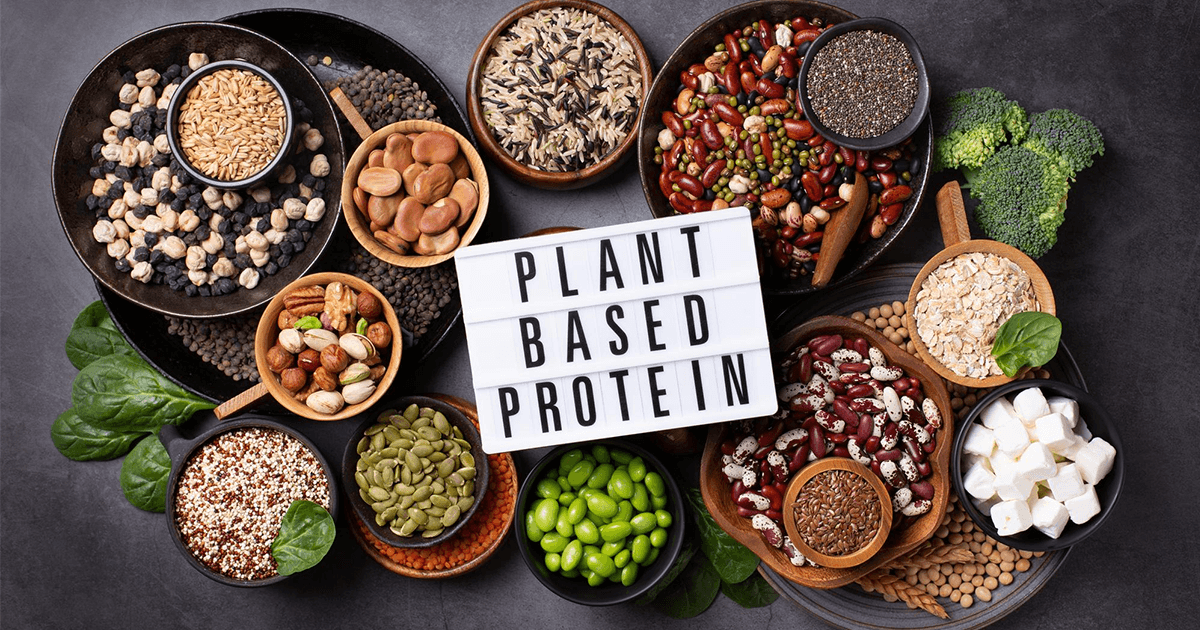
- Do Not Forget Plant Sources: Lentils, chickpeas, tofu, soy milk, and quinoa are solid protein sources for vegetarians and vegans
- Track for at Least 2 Weeks: You will be surprised where your protein is actually coming from - and what is missing
- Front-Load Protein at Breakfast: Most people eat very little protein in the morning - starting with 30g at breakfast makes the rest of the day easier
- Recalculate After Weight Changes: If you lose or gain 5+ kg, your protein target shifts - recalculate to stay accurate
Pro Tip: You do not need protein shakes to hit your target. Whole foods can absolutely get you there. But if you are consistently 30-50g short, a single scoop of protein powder is a convenient, low-calorie top-up.
Common Protein Mistakes People Make
- Relying Only on Dal and Roti: Dal is nutritious but relatively low in protein per calorie - you would need very large portions to hit high targets from dal alone
- Eating All Protein in One Meal: A 200g protein dinner and nothing else all day is inefficient - spread intake across meals for better muscle protein synthesis
- Thinking More Is Always Better: Eating 300g+ of protein daily when you need 130g offers no extra benefit and just adds unnecessary calories
- Ignoring Protein Quality: Not all proteins are complete (containing all essential amino acids). Combine plant sources like rice + lentils to form a complete protein profile
- Skipping Protein on Rest Days: Muscle repair actually happens more on rest days than training days - protein needs do not disappear when you skip the gym
- Underestimating Needs After 40: After age 40, the body becomes less efficient at using dietary protein - requirements increase to prevent age-related muscle loss (sarcopenia)
High-Protein Foods - Quick Indian & Global Reference
| Food | Serving | Protein | Notes |
|---|---|---|---|
| Chicken breast | 100g cooked | 31g | Lean, high protein, low fat |
| Paneer | 100g | 18g | Popular vegetarian source |
| Eggs | 2 whole eggs | 12g | Complete protein with all amino acids |
| Greek yoghurt | 200g | 20g | Also great for gut health |
| Moong dal (cooked) | 1 cup | 14g | Good plant-based option |
| Tuna (canned) | 100g | 26g | Affordable, convenient protein |
| Soya chunks | 50g dry | 25g | Excellent vegetarian protein |
| Whey protein | 1 scoop (30g) | 22 - 25g | Convenient when whole food falls short |
Why You Can Trust This Calculator
Our protein calculator uses body-weight-based protein factors (g/kg) that align with recommendations from sports nutrition researchers, registered dietitians, and organisations like the International Society of Sports Nutrition (ISSN). The factor applied adjusts specifically based on your activity level and goal combination - not a single one-size-fits-all number.
- Uses personalised g/kg protein factors - not generic population averages
- Adjusts the factor based on your specific activity level and goal
- Provides a minimum, recommended, and maximum range - not just one rigid number
- Calculates protein calories so you can integrate results into your full macro plan
- Results are a science-backed starting point - adjust after 3-4 weeks based on real-world progress
Find out exactly how much protein your body needs - in 60 seconds
Enter your age, weight, height, activity level, and goal. Get your personalised daily protein target, minimum and maximum range, and protein calories - completely free.
The Bottom Line
Protein is the single most important nutrient for anyone serious about changing their body - whether that means losing fat, building muscle, or simply feeling stronger and more energised every day.
Most people are eating far less than they need and cannot figure out why their results have stalled. Now you can find out in 60 seconds - and fix it.
Your muscles are waiting. Give them what they need.