7 Surprising Benefits of Walking 30 Minutes Every Day (Short & Effective Guide)
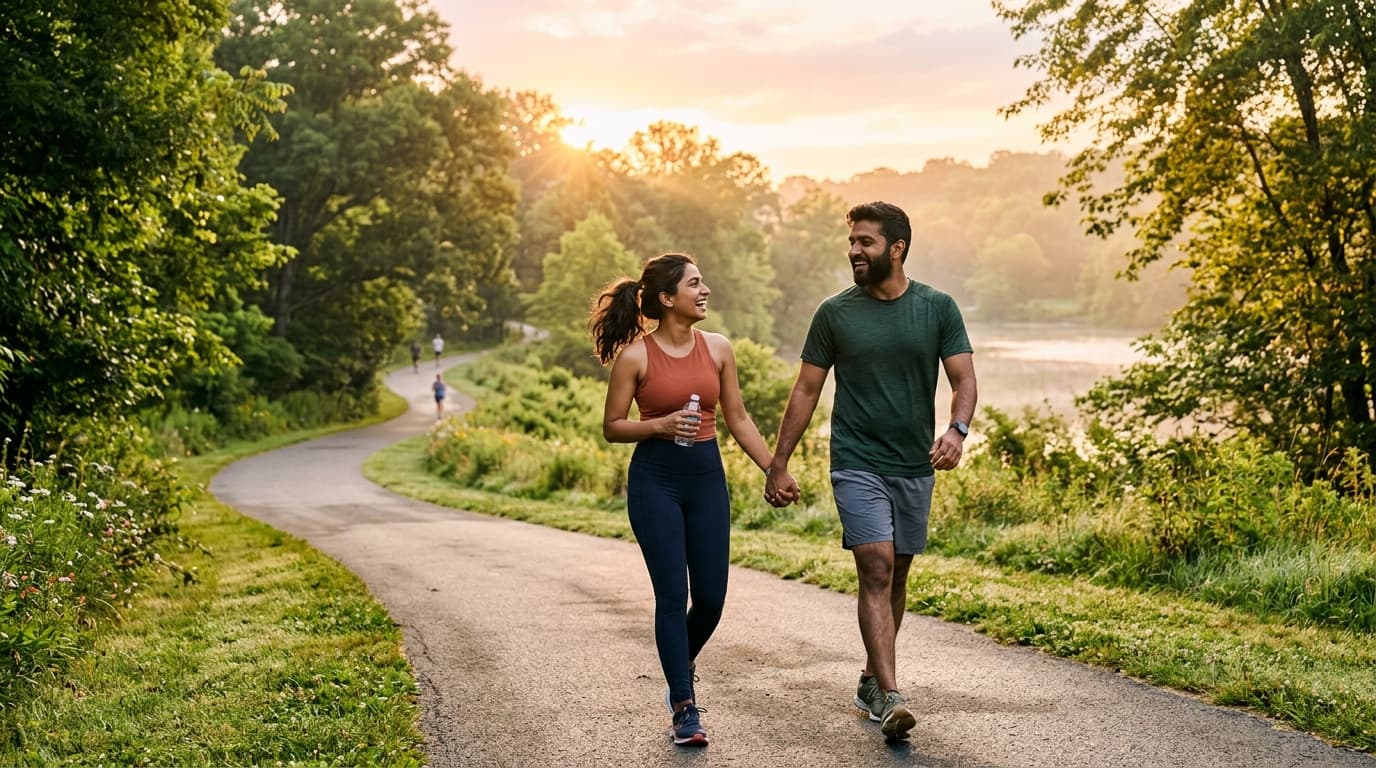
We spend hours searching for the latest gym trends, fad diets, and workout supplements. But what if the most powerful health exercise in the world requires zero gym membership, zero fancy equipment, and zero subscription fees?
That superpower is simple daily walking.
Whether you sit at a desk for 9 hours, manage a busy household, or struggle to find time for intense workouts, walking just 30 minutes a day can transform your physical and mental health.
7 Proven Benefits of Daily Walking
1. Burns Visceral Belly Fat & Boosts Daily Calorie Burn
Walking is a low-intensity steady-state (LISS) cardio exercise that primarily uses body fat for energy. A brisk 30-minute walk burns roughly 120-180 calories while keeping your cortisol (stress hormone) levels low.
Calculate how many daily calories you burn with our free Calorie Calculator.
2. Prevents Post-Meal Blood Sugar Spikes
Walking for just 10-15 minutes after lunch or dinner encourages your muscles to pull glucose directly from your bloodstream for energy. This dramatically reduces post-meal sluggishness and blood sugar spikes.
Pro Tip: Pro Tip: Make a rule to take a 10-minute stroll right after your dinner every night.
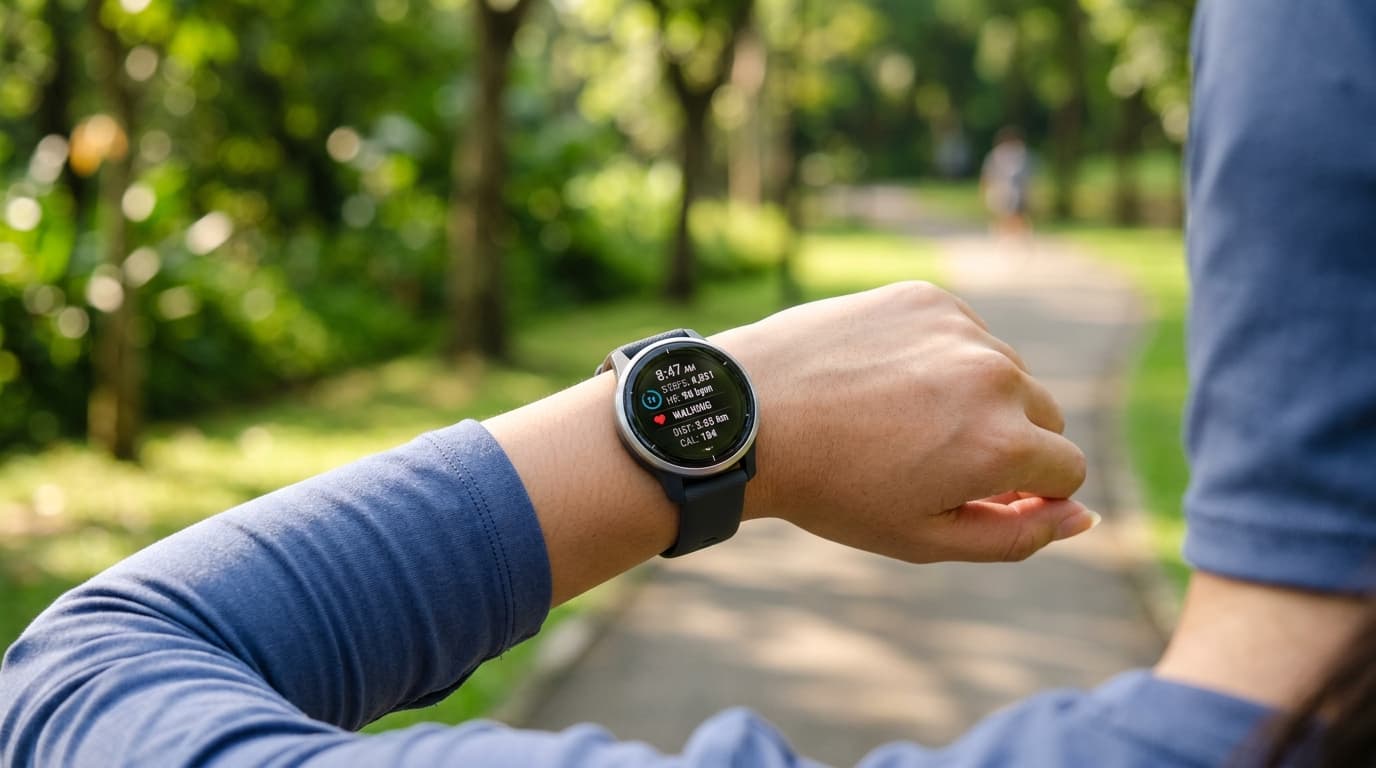 Track your steps — Small daily progress leads to major health results
Target 7,000 to 10,000 Steps Daily
Consistent daily steps improve heart circulation, joint flexibility, and metabolic efficiency without placing stress on your knees or joints.
- Low-impact exercise suitable for all age groups
- Reduces stress and boosts serotonin levels
- Increases daily Non-Exercise Activity Thermogenesis (NEAT)
3. Reduces Stress, Anxiety & Improves Mood
Walking outdoors releases natural endorphins and lowers stress hormones. Taking a brisk walk in green spaces or sunlight gives your brain a fresh mental reset and reduces morning anxiety.
4. Strengthens Cardiovascular & Heart Health
Walking at least 30 minutes a day, 5 days a week can reduce your risk of coronary heart disease by up to 19%. It lowers resting blood pressure and improves blood circulation throughout the body.
5. Gentle on Knees & Joint Health
Unlike high-impact running or heavy lifting, walking lubricates your joints and strengthens surrounding muscles without placing harsh impact forces on your knees, ankles, or lower back.
6. Aids Digestion & Reduces Bloating
Physical movement stimulates stomach and intestinal motility. A light walk after meals speeds up food transit time, reducing acid reflux, gas, and digestive heaviness.
7. Enhances Sleep Quality & Focus
Regular walking helps regulate your circadian rhythm. Exposure to natural morning light sets your internal body clock, helping you fall asleep faster and sleep deeper at night.
Daily Walking Calories & Time Table
| Daily Steps | Approx. Distance | Time Needed | Calories Burned | Health Impact |
|---|---|---|---|---|
| 4,000 Steps | 2.8 km | 30 mins | 120 - 150 kcal | Maintenance & Mood Boost |
| 7,000 Steps | 5.0 km | 50 mins | 220 - 270 kcal | Weight Loss & Blood Pressure |
| 10,000 Steps | 7.2 km | 75 mins | 350 - 450 kcal | Fat Loss & Maximum Fitness |
3 Easy Hacks to Complete 8,000 Steps Easily
- Take Phone Calls Walking: Walk around your room or balcony whenever you are on a voice call.
- Split Into 3 Short Walks: Do 10 minutes in the morning, 10 minutes after lunch, and 10 minutes after dinner.
- Hydrate & Walk: Drink water regularly using our Water Intake Calculator target, which naturally gets you moving to fill your bottle!
Frequently Asked Questions (FAQs)
Is 30 minutes of walking a day enough for weight loss?
Yes! Combined with a balanced diet in a slight calorie deficit, walking 30 minutes daily creates a steady, sustainable fat-loss environment.
Should I walk before or after meals?
Both have benefits! Morning walks on an empty stomach burn fat efficiently, while short 10-15 minute post-meal walks regulate blood sugar and aid digestion.
Is a morning walk better than an evening walk?
The best time to walk is whenever you can be consistent. Morning walks give you fresh air and daylight, while evening walks help unwind after work.